

Signs of Rats in Your Attic: How to Identify and Prevent a Rodent Infestation in Orlando
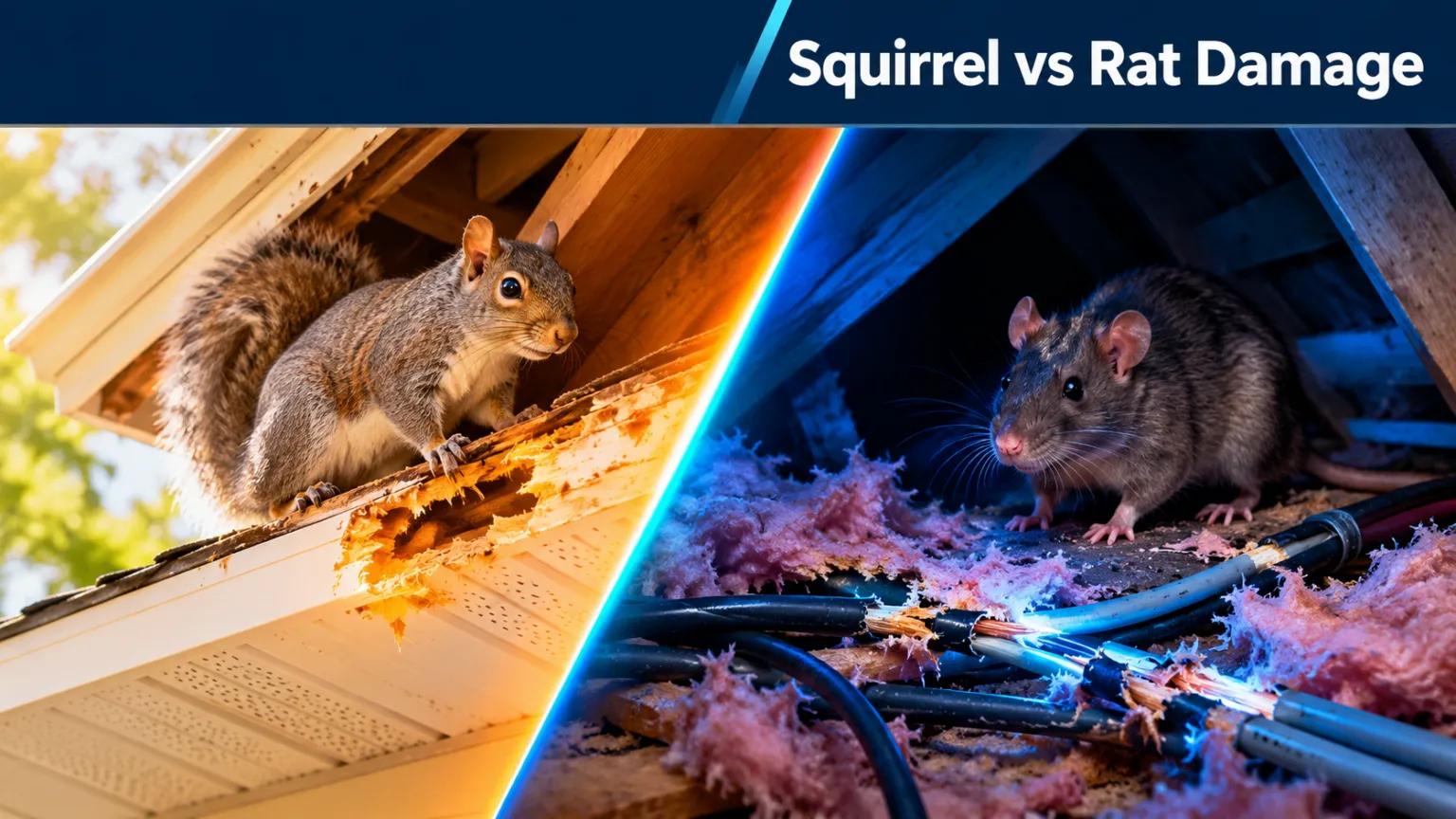
Rats in your attic can become a serious problem for Orlando homeowners. What may begin as occasional scratching sounds at night can develop into damaged insulation, contaminated surfaces, unpleasant odors, and even electrical hazards. Because rats are usually more active after dark, homeowners may not realize they have an infestation until visible signs of activity appear.
Orlando's warm climate, residential landscaping, and access to food and shelter can make homes attractive places for rodents to nest. Attics provide quiet spaces where rats can hide, reproduce, and move around without being noticed.
Recognizing the early warning signs is important. Understanding what attracts rats, how they enter homes, and when to seek professional assistance can help protect your property from further damage.
1. Scratching and Scurrying Noises at Night
One of the earliest signs of rats in an attic is unusual noise coming from above the ceiling. You may hear scratching, running, gnawing, or movement, particularly during the evening and nighttime hours.
Rats are generally nocturnal, meaning they are more active after dark. They may move through insulation, travel along attic beams, search for nesting materials, or chew on objects inside the attic.
Pay attention to where the sounds occur. Repeated noises in the same areas may indicate an established nesting or travel route. Although other animals, including squirrels, can also make noises in attics, a professional inspection can help identify the source.
2. Rat Droppings Around Your Home
Rodent droppings are another common indication of an infestation. You may find small, dark, pellet-shaped droppings in the attic, garage, storage areas, or near food sources.
Fresh droppings can indicate recent activity, while older droppings may suggest that rodents have been present for some time.
Avoid sweeping or vacuuming suspected rodent droppings because disturbing contaminated material can expose people to airborne particles. Keep children and pets away from affected areas and seek appropriate professional cleaning guidance.
3. Gnaw Marks on Wood, Wires, and Other Materials
Rats have continuously growing front teeth, so they regularly gnaw on different materials. In an attic, this may include wood, plastic, cardboard, insulation, and electrical wiring.
Chewed electrical wires are particularly concerning because damaged wiring can increase the risk of electrical faults and fire.
Look for:
Small bite marks on wooden structures.
Damaged electrical cables.
Chewed plastic storage containers.
Torn insulation and nesting materials.
Damage around possible entry points.
If you discover damaged electrical wiring, avoid touching it and contact a qualified electrician.
4. Unpleasant Odors Coming From the Attic
A persistent musty or ammonia-like odor may indicate rodent activity. Rats can leave urine, droppings, nesting materials, and other contamination behind.
When rodents establish nests in insulation or concealed spaces, odors may become noticeable in nearby rooms or hallways.
A strong odor that continues despite regular cleaning should not be ignored. A professional inspection can help determine whether rodents or another issue are responsible.
5. How Do Rats Get Into Orlando Homes?
Rats can enter homes through surprisingly small openings. Rooflines, vents, gaps around utility pipes, damaged soffits, and openings around the foundation can all provide access.
Roof rats are particularly capable climbers and may use trees, branches, fences, and utility lines to reach rooftops.
Common access points include:
Gaps around roof vents and soffits.
Openings around plumbing and electrical lines.
Damaged screens and exterior vents.
Cracks and gaps around foundations.
Unsealed openings near garages and crawl spaces.
Inspecting your home's exterior can help identify possible entry points before the problem becomes more extensive.
6. Why Rodent Infestations Should Be Addressed Quickly
A rodent problem rarely resolves itself simply because you stop hearing noises. Rats may continue nesting and moving through concealed areas even when there are no obvious signs of activity.
An established infestation can cause several problems:
Property damage: Rats may chew insulation, stored belongings, wooden structures, and electrical wiring.
Contamination: Droppings and urine can contaminate surfaces and nesting areas.
Insulation damage: Rodents can tunnel through attic insulation and use it to build nests.
Recurring infestations: If entry points remain open, new rodents may enter after the existing animals are removed.
Addressing both the animals and the conditions that allow them to enter is essential for a more lasting solution.
7. How to Help Prevent Rats From Entering Your Attic
Homeowners can take several preventive measures to make their properties less attractive to rodents.
Seal Potential Entry Points
Inspect rooflines, soffits, vents, and exterior walls for gaps or damage. Use appropriate rodent-resistant materials to secure openings after confirming that no animals are trapped inside.
Keep Food Sources Secure
Store pet food and pantry items in sealed containers. Avoid leaving pet food outside overnight, and keep garbage bins tightly closed.
Maintain Your Landscaping
Trim tree branches that provide easy access to the roof. Remove accumulated debris and keep vegetation from creating direct access routes to your home's exterior.
Inspect Your Attic Periodically
Look for droppings, damaged insulation, nesting materials, and unusual odors. Early detection can help prevent a minor issue from developing into a larger infestation.
8. When Should You Call a Professional for Rodent Removal?
If you repeatedly hear noises in your attic, discover droppings, notice damaged wiring, or suspect that rats have established a nest, professional assistance may be necessary.
A professional wildlife specialist can inspect the attic and exterior of your property, identify likely entry points, and determine an appropriate removal strategy.
Critter Control of Orlando provides wildlife inspection, rodent removal, exclusion, and prevention services. The process focuses on identifying the problem, removing unwanted animals, and addressing the openings that could allow them to return.
If you are experiencing signs of rodent activity, learn more about rodent removal in Orlando and the available options for addressing unwanted wildlife in your home.
Protect Your Orlando Home From Rodent Damage
Rats in an attic can cause more than an inconvenience. From damaged insulation to contaminated areas and chewed wiring, an infestation can affect your home's condition and comfort.
Recognizing the warning signs early, securing potential entry points, and addressing food and shelter sources can help reduce the likelihood of recurring rodent problems.
If you suspect rats are living in your attic, don't wait until the damage becomes more extensive. Contact Critter Control of Orlando to discuss an inspection and find out how professional wildlife removal and exclusion services can help protect your home.